From a riverside marshland along the Saigon River, Tan Thuan Export Processing Zone (TTZ) became Vietnam’s first pilot model for attracting foreign investment. After more than 35 years of development, TTZ is entering a new milestone: transforming its model to support high-tech industries and create greater added value.
As Ho Chi Minh City identifies science and technology, innovation, and digital transformation as key growth drivers, TTZ is competing not only through land availability and costs but also by building an ecosystem that meets the needs of semiconductor, electrical and electronics, R&D, and technology companies. Accordingly, Tan Thuan Corporation (TTC) is implementing a transformation roadmap for TTZ to attract high-value-added industries.
Transitioning from Traditional Industries to High-Tech Industries and Innovation
The 300-hectare export processing zone is one of Ho Chi Minh City’s prominent industrial hubs, home to more than 250 operating companies, approximately 70% of which are foreign-invested enterprises. According to the Ho Chi Minh City Export Processing and Industrial Zones Authority (HEPZA), as the city works toward becoming an international financial center, businesses are looking beyond tax incentives and land rental rates. They increasingly prioritize industrial zones that meet ESG standards, promote green development, provide modern digital infrastructure, and connect with an innovation ecosystem.
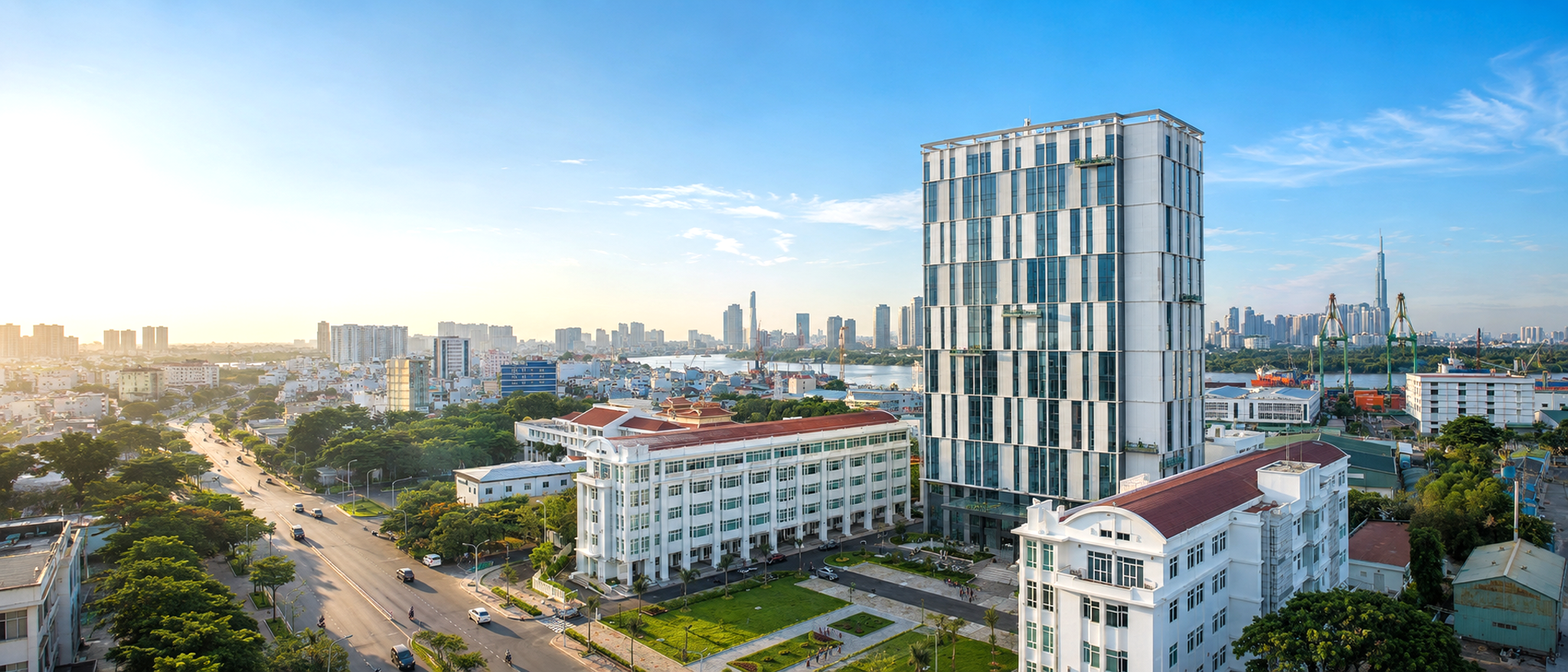
Anticipating this trend, TTC began adjusting its investment attraction strategy in 2016, focusing on high technology, semiconductors, electrical and electronics, R&D, and other high-value-added industries. As a result, technology, electrical and electronics, precision engineering, integrated circuit design, and advanced engineering now account for more than 40% of TTZ’s business portfolio. The zone is home to many leading domestic and international technology corporations, including Renesas, Ampere Computing, VNG, FPT, Furukawa, Pepperl+Fuchs, Nidec, FANUC, and Medtronic, as well as numerous foreign-invested enterprises across various industries. Together, they form a technology and innovation ecosystem that supports businesses throughout the value chain, from research and development (R&D), design, and testing to manufacturing and product commercialization.
Building a Competitive Advantage to Attract Technology Companies
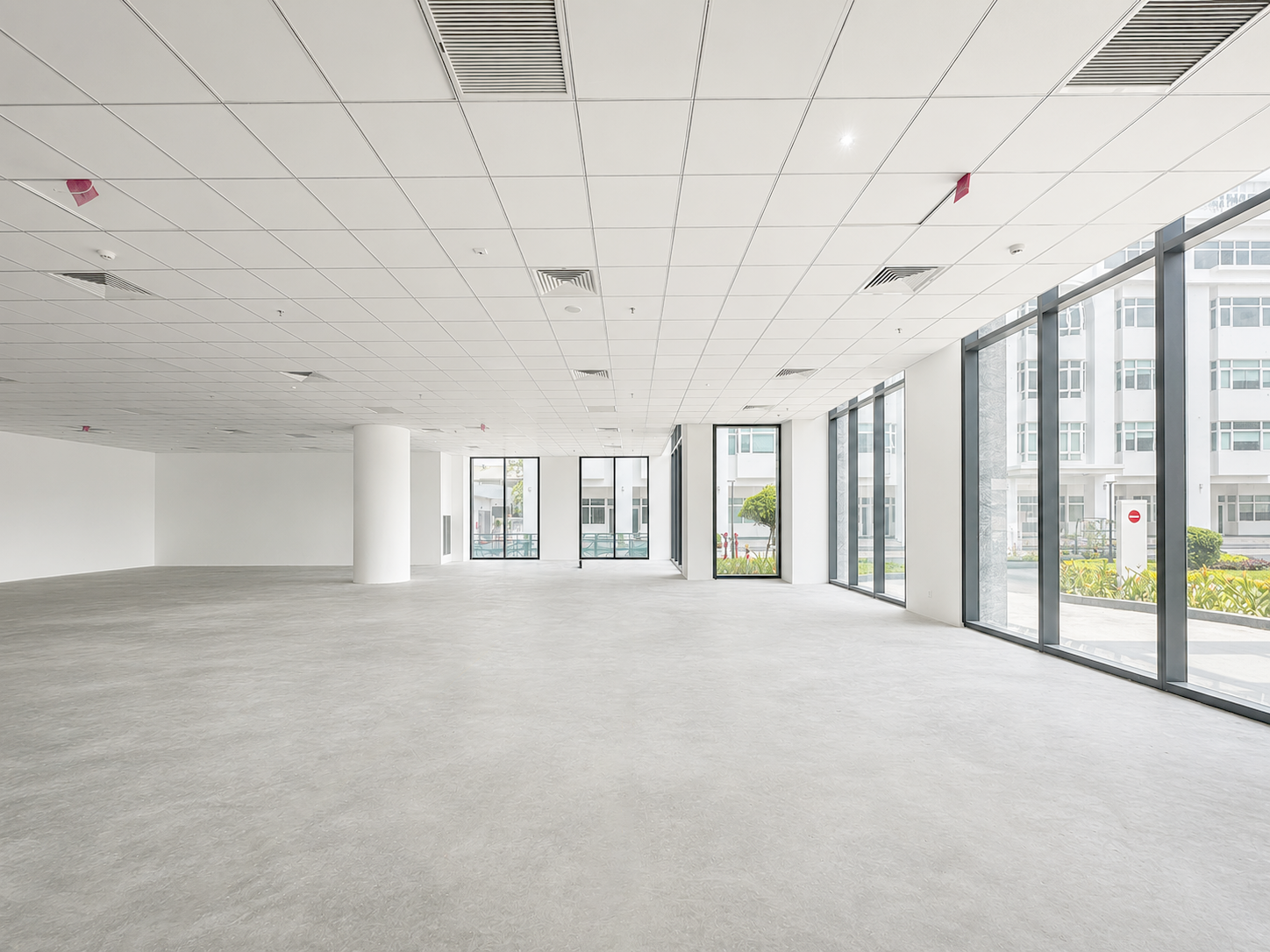
Alongside its strategic transition, TTZ has progressively strengthened its technical infrastructure, workforce connections, transport accessibility, and support ecosystem for research and innovation, creating a solid foundation for attracting high-tech companies. Its integrated technical infrastructure includes a high-capacity power supply, comprehensive water supply and drainage systems, high-speed telecommunications, an internationally standardized data center, and a centralized wastewater treatment system, enabling stable business operations. In particular, TTC has invested in Tan Thuan Tower as an initial step in its strategy to develop an ecosystem for high-tech companies within TTZ. The modern 17-storey building features a central VRV air-conditioning system, ceiling heights ranging from 2.8 to 3.3 meters, and a floor loading capacity of up to 400 kg/m². Managed and operated by Savills in accordance with international standards, the building integrates amenities such as a food court, gym, café, and coworking space to support the working and networking needs of its business community.
TTC has also developed a comprehensive support ecosystem that assists businesses from the initial site survey and investment opportunity assessment through to full operation. Support services include guidance on legal matters, investment procedures, technical infrastructure, and operational services, helping tenants shorten project implementation timelines and improve operational efficiency.
Location remains one of the strongest advantages of office space in TTZ. Situated close to central Ho Chi Minh City, TTZ will benefit from convenient future connections to the urban core and the Thu Thiem International Financial Center through major infrastructure projects such as Thu Thiem 4 Bridge, the expansion of Nguyen Tat Thanh Street, and the reconstruction of Tan Thuan 1 Bridge. This strategic location not only supports logistics and import-export activities but also facilitates connections with domestic and international partners, clients, and specialists.
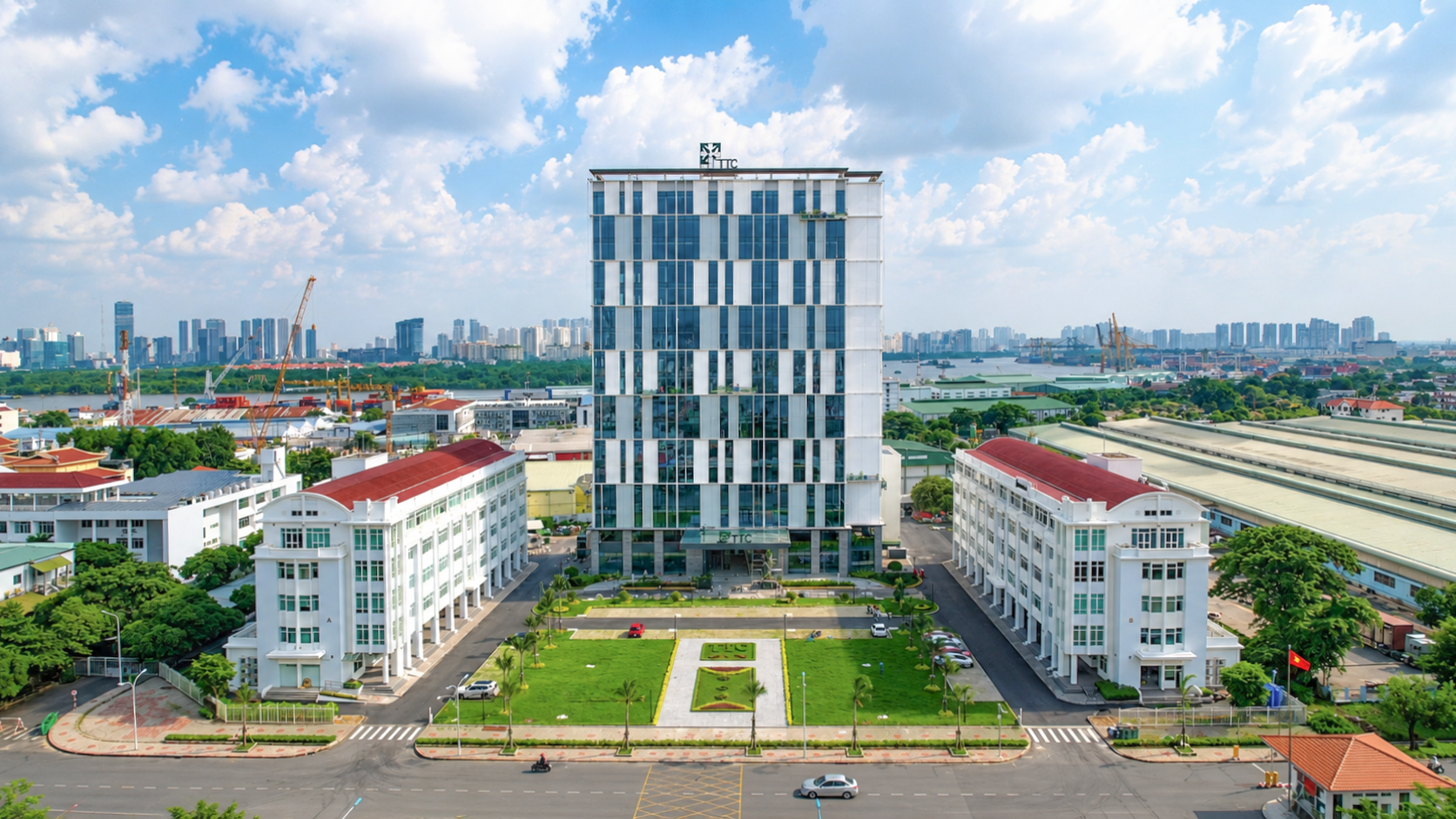
According to the zone’s management, as competition for skilled professionals intensifies, particularly in semiconductors, artificial intelligence, and automation, the ability to recruit and retain highly qualified engineers is becoming a key criterion for companies selecting locations for R&D centers or engineering offices. Numerous universities, colleges, and technical training institutions are located within approximately 10 km of TTZ, giving businesses access to talent for research, design, and product development. At the same time, TTC has been bringing together domestic and international training providers and educational institutions, connecting education with the practical needs of businesses and gradually building a workforce development ecosystem for high-tech industries and innovation.
TTC’s business support ecosystem also offers a wide range of leasing areas to meet companies’ needs at every stage of development. From small offices for startups, representative offices, and companies conducting market research to full-floor spaces of approximately 230–900 m² and larger-scale leasing options, businesses can expand within the TTZ ecosystem without having to relocate.
Experience from more developed markets shows that technology companies can expand their workforces rapidly, leading to growing demand for parking facilities. TTC’s management has been planning and expanding parking areas to ensure that infrastructure keeps pace with tenants’ long-term growth.
“After more than 35 years of contributing to the city’s journey of innovation, we want to continue supporting its growth and accompany Ho Chi Minh City into its next stage of development,” a representative of the export processing zone stated. Over the next five to ten years, TTC aims to transform TTZ into an integrated ecosystem for technology companies, where startups, growing enterprises, and major technology corporations can operate, connect, and expand their investments. This ecosystem will provide a strong foundation for attracting high-tech industries and advancing Ho Chi Minh City’s innovation landscape.